Friday, January 17, 2025

Alan Mariotti | Hillsborough County Cybersecurity

 Enhancing Cybersecurity in Hillsborough County to benefit residents:

I developed and introduced key cybersecurity processes, strategies, and frameworks within Hillsborough County’s cybersecurity operations.

By detailing critical workflows, key metrics, roles and responsibilities, and the tools used to detect, mitigate, and respond to cyber threats, these frameworks aim to strengthen the county’s overall security posture and safeguard its digital infrastructure. This approach has been refined throughout my career, starting with the Hillsborough Digital Defense Sequence (HDDS), a rebranding of earlier iterations. Fifteen key processes were created with the primary goal of benefiting residents.

Cybersecurity is a team effort, and a strong framework ensures our readiness to tackle evolving threats while protecting our community’s digital assets.

I also wrote ‘Leadership Driven Cybersecurity | A Hillsborough County Case Study,’ published in the Legislative Edition of the Florida Technology Magazine (2024). Although the article was published without attribution, I am proud to have authored this piece.

#Cybersecurity #DigitalDefense #HillsboroughCounty #Innovation


https://alanmariotti.com/


Saturday, July 13, 2024

Building the New Workplace - The power of people, culture and technology

 View Full Story


Mariotti and Google Build the New Workplace


“Approximately 700 of the companies currently on the Fortune 1000 joined the list within the past decade. That’s double the turnover we saw just two decades ago. Why the shakeup? Tech-savvy customers and digital-native startups have changed the competitive landscape.”
—Forrester Research, Unleash Your Digital Business

Sometime in the last decade, we crossed into a fresh phase of the digital era. A new generation of companies born in the cloud—like Airbnb (lodging), Snapchat (messaging), Uber (transportation) and Zillow (real estate)—are using entirely new business models to disrupt the status quo.

Google Chairman Eric Schmidt calls this “the new digital age.” Barriers to entry are falling away as Moore’s Law drives down the cost of computing. Even the smallest businesses can now sell to the entire world.

Alan Mariotti | Whitehouse | Information Technology


Full Story Here


Letter of Commendation from the White House Chief Information Officer recognizing significant contributions in advancing the IT mission for America.


Alan Mariotti | Top Technologist in America


-Technology Leadership: Demonstrated 
  ability to leverage technology to achieve
  business goals.

-Innovation: Introduction of new
  technologies or processes that have a
  significant impact.

- Business Acumen: Contribution to
   organizational success through effective
   use of technology.

-Community Involvement: Engagement in
   industry initiatives or community projects.

- Strategic Vision: Forward-thinking
   strategies that align technology with
   business objectives.


Raytheon casts its net on the Web


View Full Story 

 Trying to broaden sales beyond its defense base, the company turns to the Internet.


As the Miami International Boat Show began over the weekend, a crew of Internet entrepreneurs launched boaters.com, a Web site targeted to boating and fishing enthusiasts.

Sounds conventional enough. Except that boaters.com’s backer is none other than Raytheon Co., the financially hobbled defense giant that makes Tomahawk cruise missiles and fighter-jet radar.
Alan Mariotti commands Ted Turners Courageous


Reaching customers with kiosks and digital signage just got simpler | Alan Mariotti


"We tried many different solutions, using Google for signage was the easiest to push, control and manage throughout the enterprise,” said Alan Mariotti, Vice President of Technology and Security at Chico’s.


Alan Mariotti, Mariotti Google


Our technology changed quite a bit over the years, and in early 2013, we realized we were limping along with a very outdated email system and escalating infrastructure and storage costs. We considered our options: we could keep the status quo and upgrade from Microsoft Exchange 2003 to the 2013 version—which would cost millions—or go with a lower-cost option that would both help our distributed workforce collaborate faster and eliminate our need for resource-intensive servers. We tested Google Apps with 100 employees in one of our business groups and it passed all of our testing and scalability metrics within a few short months. The enthusiasm and efficiency gains alone convinced us it was the obvious and most cost-effective solution.

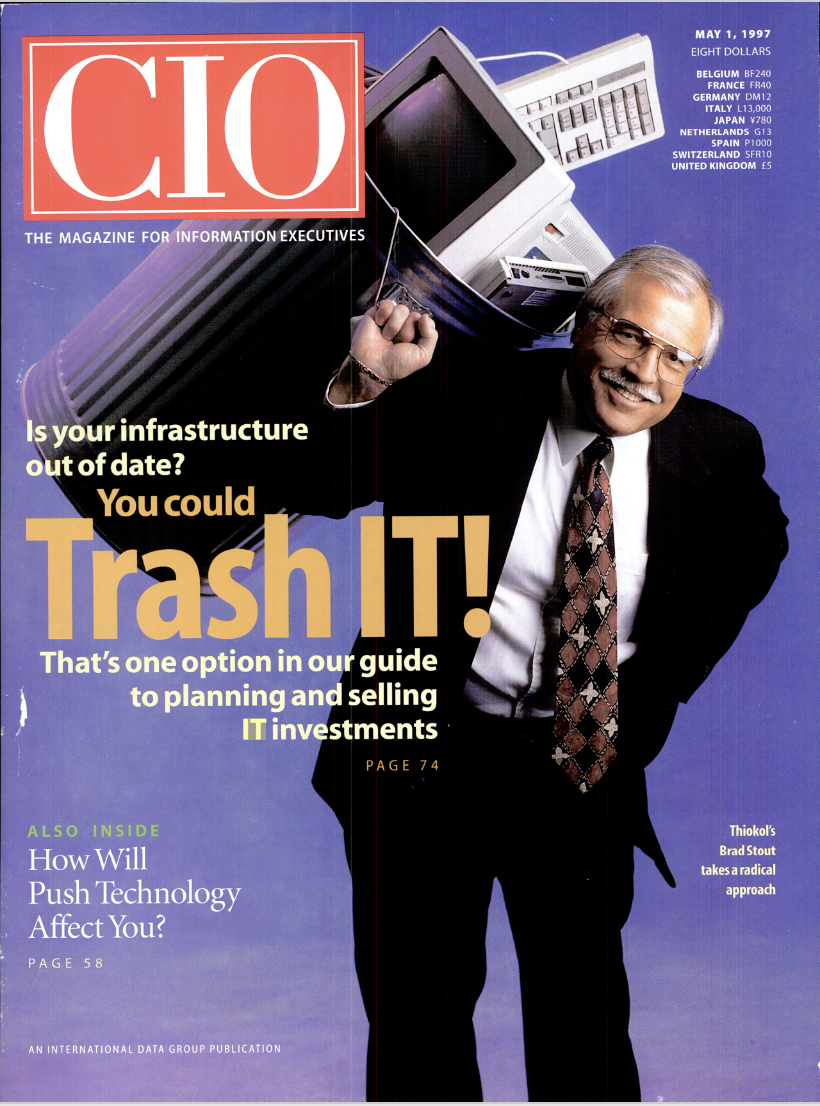
PUSHING IT - PUSH TECHNOLOGY | Alan Mariotti


CIO | Magazine | First

View Article Here

Push technology is widely used in various applications such as messaging services, social media notifications, and real-time data updates in financial markets and weather forecasts. It enables instant delivery of information, enhancing user engagement by ensuring that users receive timely updates without needing to actively seek them. Push technology has become increasingly essential in today's digital landscape, facilitating rapid communication and real-time information dissemination across diverse platforms and devices.


Alan Mariotti, AlliedSignal, Honeywell


Wednesday, July 10, 2024

Building In-DELL-ible Partnerships


ALAN MARIOTTI

+

Building In-DELL-ible Partnerships

It’s interesting how a simple business lunch can evolve into a collaboration of ideals that places a group at the forefront of technology.

In Late 2013, I was privileged to attend a meeting at the Capital Grille’s Board room Tampa, where I dined with Michael Dell in a private six person setting alongside fellow IT executives.

The afternoon began with a half hour general discussion with Mr. Dell’s Southeast Florida leaders, Martin Beech and Sig Hardester. We discussed HP’s existing technical footprint at my company, and how Dell could aggressively assist in configuration and cost cutting.

I saw Michael Dell walk past our room to the board room for lunch, but the three of us were so engrossed in conversation that we ran over ten minutes.  We finally wrapped up our pre-lunch discussion, and headed to the room where we would have lunch with Mr. Dell.

I walked into the dining area where Mr. Dell and the four other IT leaders were already seated. Tent cards were laid out indicating our seat assignments.  The mere proximity to this man was a bit intimidating - this is one of the pioneers of my industry!

All intimidation was immediately dissipated as Michael stood and shook my hand. His demeanor was confident yet down to earth.  As we spoke, it was clear to see through the suit to who he really is:  a man who still possesses the nerd-like technical passion he had when he was 15 years old and took his first Apple II computer apart just to see how it worked.

Our "over lunch" discussion flowed naturally, and we touched upon many topics relating to our respective companies and general technology.  My favorite quote from our discussion is attributed to Michael Dell:  “It's through curiosity and looking at opportunities in new ways that we've always mapped our path at Dell. There's always an opportunity to make a difference.”

That lunch occurred just a few days prior to Mr. Dell taking his company private. He graciously shared his insight regarding the world of Dell - the man and the company:

As one of the largest private family owned business in the USA, Dell will be more nimble and able to create and innovate at a faster rate.

When asked about cell phone market,  Dell indicated that his company will not be getting involved in that sector.

In the near future, the company’s main focus will be laptops, tablets and security devices.

He made it clear that his laser beam focus was towards the future, particularly in the area of memory/disc/enterprise all being closer to each other from a speed perspective. Although he didn’t mention it directly, I’d like to think that we are nearing to the quantum computing realm.(wishful thinking)

The group discussion was fascinating, but the most interesting part was my conversation with Mr. Dell which related to the evolution of computing. The conversation traversed terminal to mainframe to distributed computing, then full circle to mainframe, or worldframe.  We discussed the advent of networking, Banyan, Novell, (late 80’s), when you actually had to configure each component of a server, installing (sometimes soldering) memory chips in a motherboard, formatting hard drives, and performance-tune the Operating system to the specific business use of the server.  As time went on these activities became wizard driven,  where one would choose the business function of the server whether it be database, file service, or other business utilities- and then "push the button" and start feeding disks (mid 90’s)

After leaving the time capsule conversation, I posed the question of the smart appliance approach. "Are we nearing the time where a business can consolidate all enterprise services?” We discussed the possibility of the consolidation of network switches, servers, server clusters, storage devices, etc., into one appliance or even separate replaceable intelligent appliances that can autonomously learn, spawn, and tune the environment to make a new installation or upgrade of a major system. The amalgamation of these devices would culminate in an enterprise appliance wizard whose purpose is driven by a need to lower the overall cost, support, and complexity, while increasing optimum performance across a global organization.

Michael said, "Yeah, like enterprise in a box," which, later in the conversation, was referred to as the “easy button” concept. This ideal is an integral component in their R&D efforts.

Many technology companies are in a constant game of leapfrog to keep pace with the ever-evolving landscape (e.g., IoT). I asked Mr. Dell to expand on his R&D team structure and how many of them were actual futurists, staying out in front of the fast paced technology time curve.  He explained that he had multiple CTOs across the globe, reporting up through one governing CTO who, as part of his charter, keeps a measured segment of each group’s eye on the future, building and creating new things through very close collaboration.

During our conversation, I realized that the overarching concept was a modern derivation of Moore’s Law, which is the observation that, over the history of computing hardware, the number of transistors on integrated circuits (IC) doubles approximately every two years. The conversation morphed into a macro version, out of the actual realm of IC’s toward the physical technical appliances housing them.


MOORES LAW | ALAN MARIOTTI


When reflecting back on the entirety of the experience, while the food was good and the conversation was better, the best part of the afternoon was a personal invitation from Michael to visit Dell’s research and development lab to be a first-hand witness to the exciting advancements the company is making in our industry.

This encounter with Mr. Dell is now one of my career highlights.

A couple of days after the luncheon, I received a personal follow up email and Linkedin connection from Mr Dell.  The email ended with “contact me directly anytime you feel I can be helpful”

I have reached out a few times since relating to new technology, but no contact with Mr. Dell has been more important or beneficial to me than the one I made about my company’s security position.

After the rapid succession of breaches impacting over a dozen large corporations, it became clear that the landscape of security had been changed forever.  These breaches clearly demonstrated  that regardless of best practices and PCI compliance, there is no network or system which is 100% safe from a cyber-attack.  With this in mind, I set a goal of strengthening my company’s security posture with focus on awareness, monitoring controls, and strong vendor partnerships.

I reached back out to Mr. Dell, who put me together with the security arm of his company.  

From the very first meeting, our two organizations naturally formed a high performance work team with a hive mentality. he thought capital of each and every individual contributed to the creation of a program designed to combat this ever-evolving threat landscape.

The combined team concentrated their efforts on identifying key weaknesses using the Cyber Kill Chain - a variant of a military kill chain.  With focus on people, process, and best in class systems, the team swarmed and collaborated against an aggressive timeline to introduce additional security tool sets into our enterprise infrastructure. To assist with diligent monitoring, we integrated with Dell’s Security Operations Center. The added expertise of highly trained security professionals provides us with 24/7/365 staff augmentation, shortened operational cycle times, and expedited detection and eradication of attacks, vulnerabilities, and threats in our environment.  The end product is designed to be as polymorphic as the threats that exist in the wild.

Due to the proprietary nature of the implementation, I cannot disclose specific security solutions in place.  I can say that the systems generate log data which is fed to the SOC, where a secret sauce correlates millions of logs to filter data and generate truly actionable events.  We are leveraging Dell’s proprietary Counter Threat Platform, powered by their Multiple Process Logic Engine (MPLE), that processes more than 110 billion events a day, and correlates, analyzes and identifies those events down to approximately 4,000 security incidents which are escalated to clients.

At a recent TAG event, I met up with Michael and personally thanked him for brokering a business partnership that my company will benefit from for years to come. The photo below commemorates the event,  with Michael, my mentor Kent, and me. I look forward to our paths crossing again in the very near future.


ALAN MARIOTTI | MICHAEL DELL | KENT KLEEBERGER


From left to right - Kent Kleeberger, Michael Dell, and Alan Mariotti


Wednesday, July 3, 2024

Commendation Letter From the White House - Premier 100 Leaders in America


The Insider: Ballmer left fit to be tied by Hilfiger

https://www.seattlepi.com/business/article/the-insider-ballmer-left-fit-to-be-tied-by-1198859.php

Tommy Hilfiger | Alan Mariotti | Microsoft Pinnacle award


Tommy Hilfiger Information Technology Team received the Microsoft Pinnacle Award for Microsoft Dynamics, with Steve Ballmer personally flying in to present the award to Tommy live onstage.


Microsoft CEO Steve Ballmer (R) listens to fashion designer Tommy Hilfiger (L) discuss empowering his employees with the tools to drive business success as Microsoft launches it’s “People-Ready” Business vision. New York, March 16, 2006.
Ballmer also said the company would be aligning its global sales and marketing organization and its worldwide partner network to execute against the People-Ready vision. The company also announced a series of investments including a $500 million global ...


Downsized Florida's First Mainframe


Alan Mariotti - Google Digital Signage


Editor's note: To learn more about managing intelligent Chrome devices, join our Chrome product team for a Hangout on Air on Thursday, November 19th at 10AM PST.

More and more businesses across the globe are using DIY-service models and integrated mobile, digital signage and kiosk technology to personalize their customer experience.

While the customer experience is enhanced, the administration experience needs to stay simple. That’s why we developed the web-based Chrome Device Management Console, which allows business owners to remotely manage their fleet of devices across all their storefronts. "We tried many different solutions, using Google for signage was the easiest to push, control and manage throughout the enterprise,” said Alan Mariotti, Vice President of Technology and Security at Chico’s. In fact, IDC found that Chrome customers they spoke to averaged a three-year ROI of 319% for Chrome devices when used in kiosk mode, with an investment break-even time of approximately 4.8 months.

Today we’re introducing a more streamlined console just for digital signs and kiosks called Single App Chrome Device Management (Single App CDM), priced at $24 per device per year. Single App CDM offers ongoing reporting that monitors the health of your kiosks and signage at all times. You’ll get alerts if a device goes down and can remotely reboot the device without dispatching a technician. You can also get live updates about system usage and capture screen grabs to see exactly what viewers see.

Single App CDM can be used with a variety of Chrome devices – like the ASUS Chromebit, which is available for purchase today – to share relevant content quickly and simply, with the flexibility and security to seamlessly integrate into a broad spectrum of signage configurations. For example, the menu boards at a coffee shop or cafe could be powered by Chrome devices like the Chromebox, Chromebase and Chromebit, running a Chrome Kiosk app that displays relevant, dynamic content. Combined with our rich partner ecosystem of Chrome Kiosk apps from StratosMediaTelemetryArreyaSignageLiveWondersignNutrisliceChrome Sign builder and many others, we have a solution to support any scenario.

To learn more about how other organizations are using Chrome OS to deliver signage, check out this new IDC white paper.

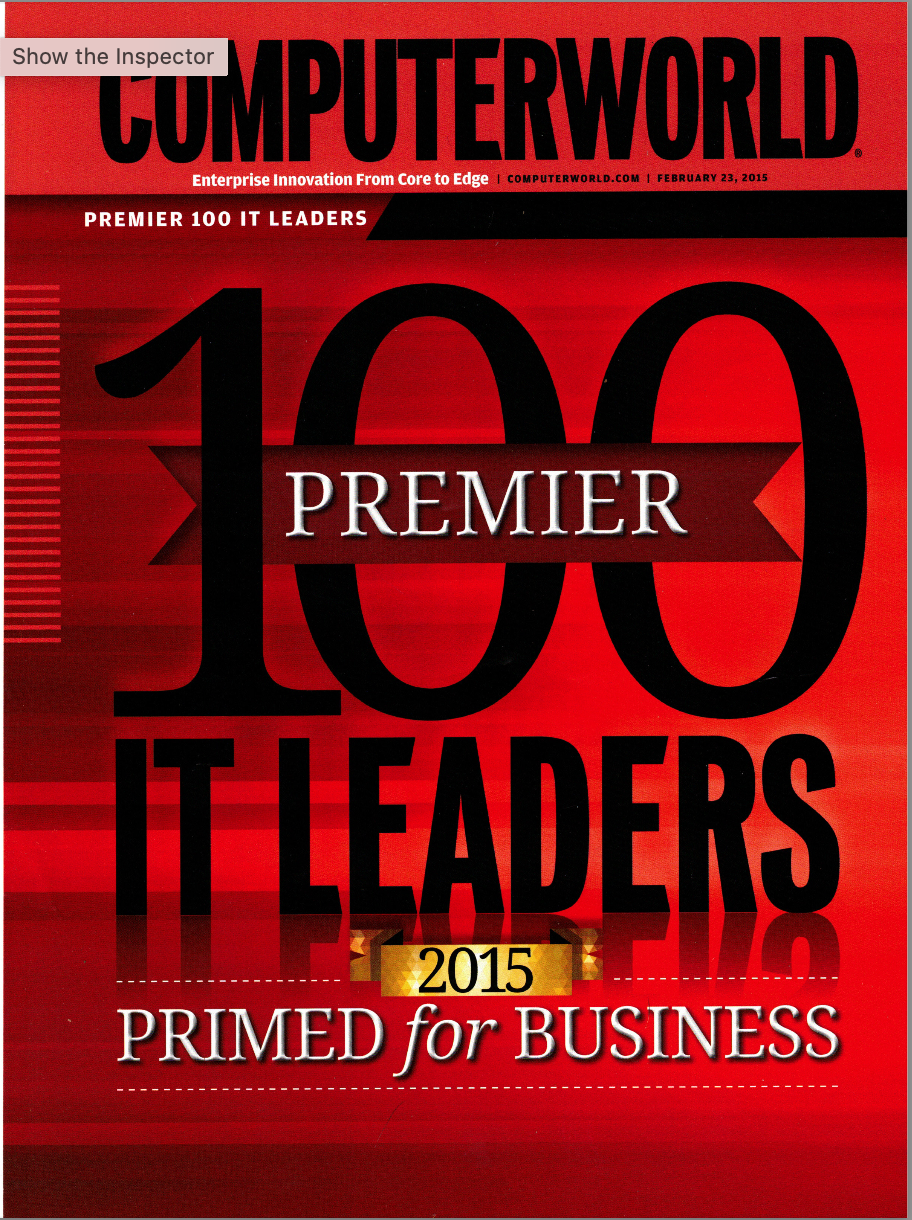
Alan Mariotti - Computerworld Premier 100 IT leaders in America

View Story Here
 

Alan Mariotti crews Courageous <Ted Turners Sail boat>


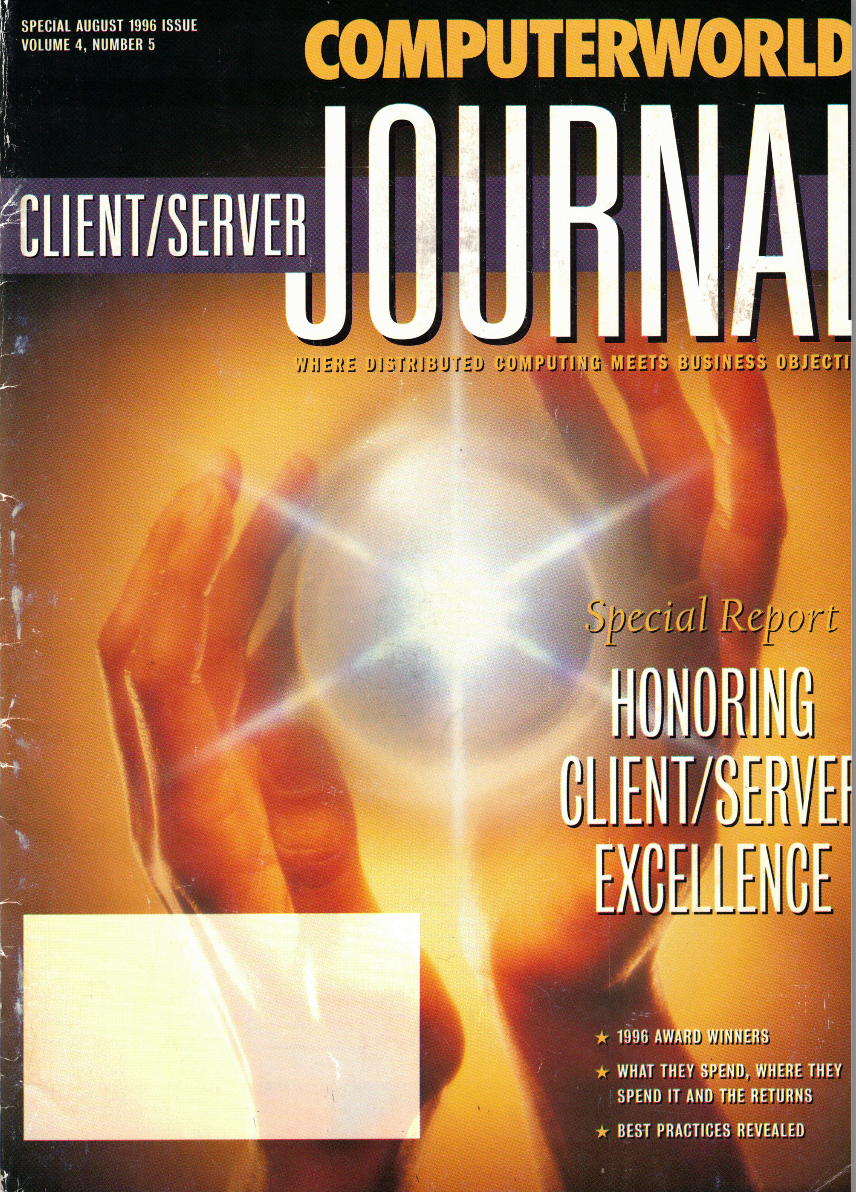
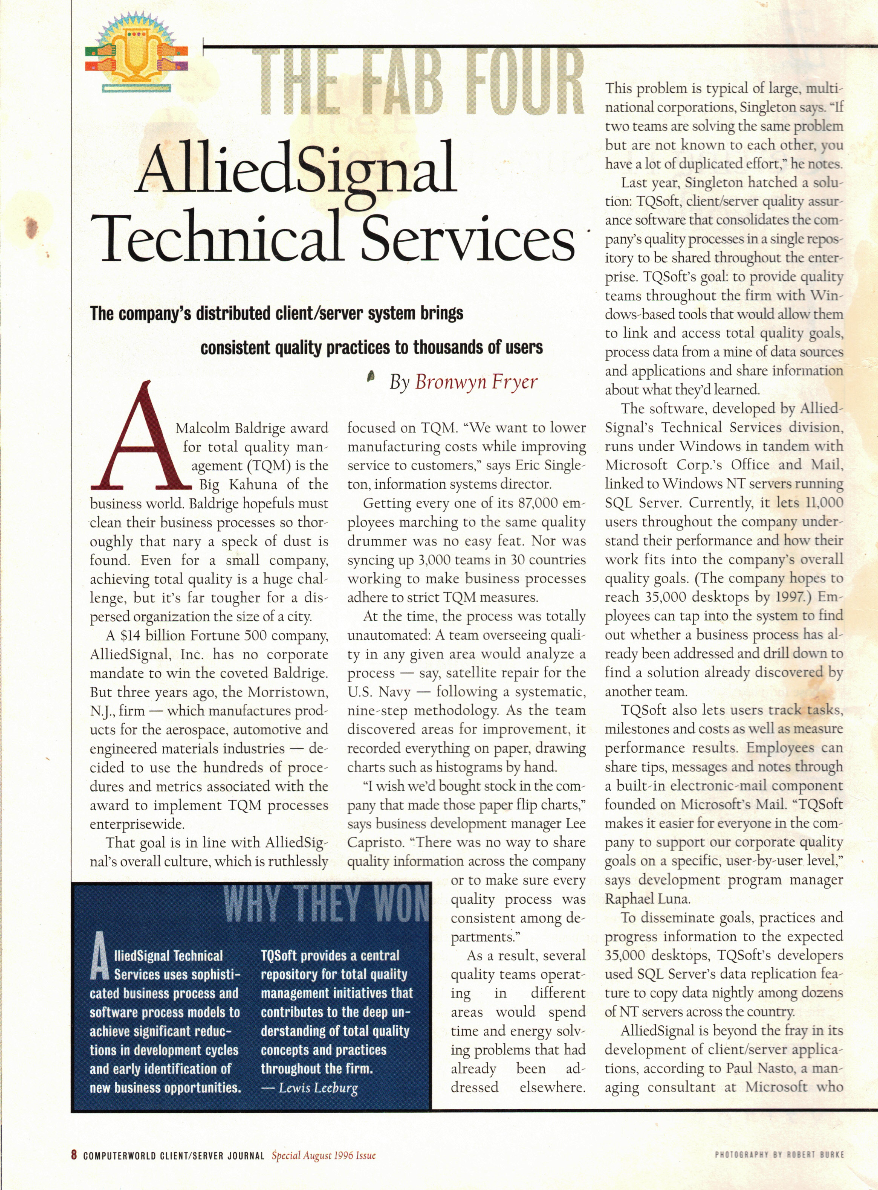
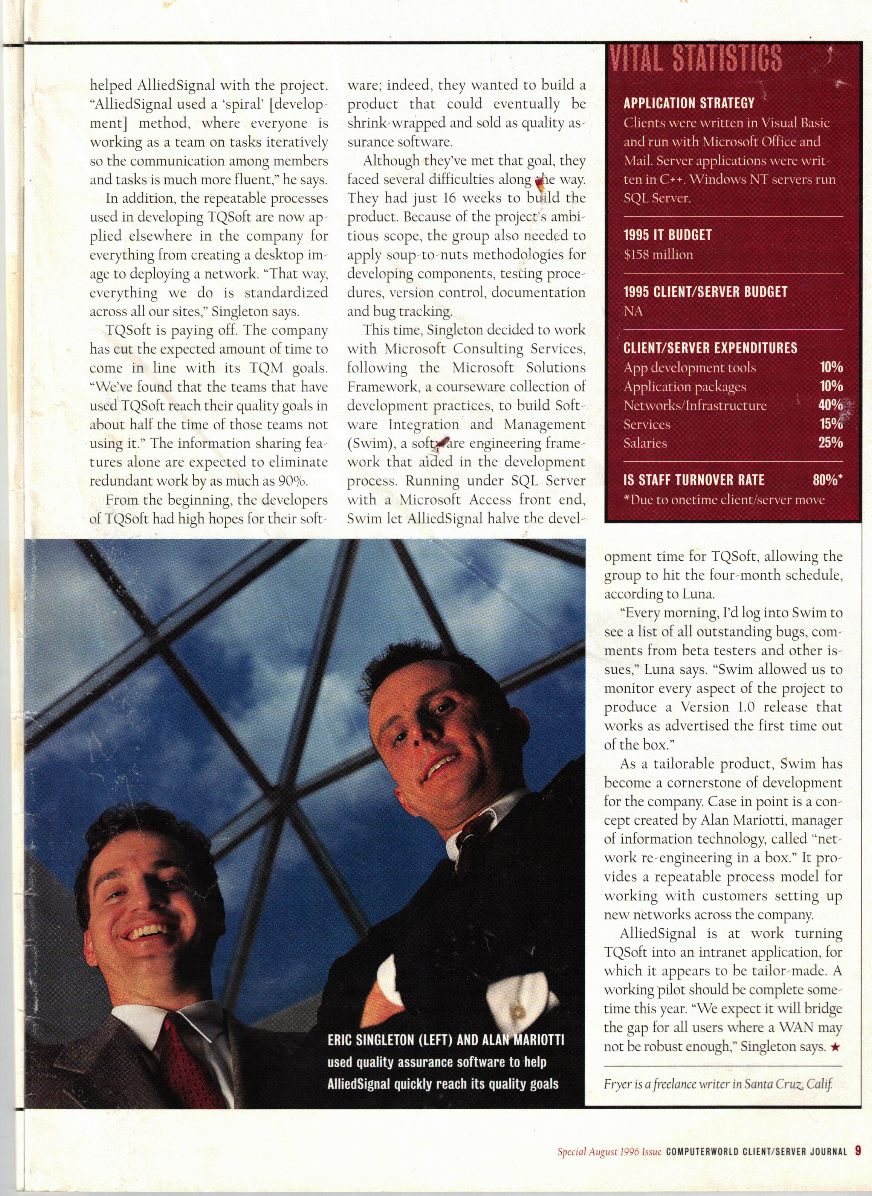
Client Server Journal - Fab Four


Tuesday, April 5, 2016

SKOMAX Celebrates 13 Years in Business

LinkedIn and Twitter Connections please share the following link (https://www.linkedin.com/pulse/my-greatest-passion-alan-mariotti):  
This week marks an exciting return for me back to my greatest passion: re-engineering infrastructure, process, security, and core technology strategies for firms and delivering 10X value.  In a world where technology is changing at lightning speed, many firms “fire the bullet” and launch their new strategy, but the target moves and they miss their goals.  Our job and my job as leader of Skomax is to correct the trajectory and hit the target. That's what we do - 10X results and precise technology strategy creation and execution. 

Monday, September 14, 2015

Just For Fun


Link to Original Story
Knowledge-Cube-to-Create-Knowledge-Cubes.png

The Art Of Team Building Part III


Ice-Cube-Cubes.png


Part III - Knowledge Cubes & The Art of Foundational Process


In Part I of The Art of Team Building, I discussed the process behind, and the importance of, understanding your team’s strengths and weaknesses.  Gathering this information is the crucial first step towards building a high-performance work team.  Part II discussed establishing a culture of transparency to bond your team. Both articles utilize components of Six Sigma that gradually propagate to your team as you go through this process.


Now that you have your heat map and have established a culture of transparency, it’s time to roll up your sleeves and get the team operating at maximum performance by fostering functional knowledge workers through the development of Knowledge Cubes.


What is a Knowledge Cube?


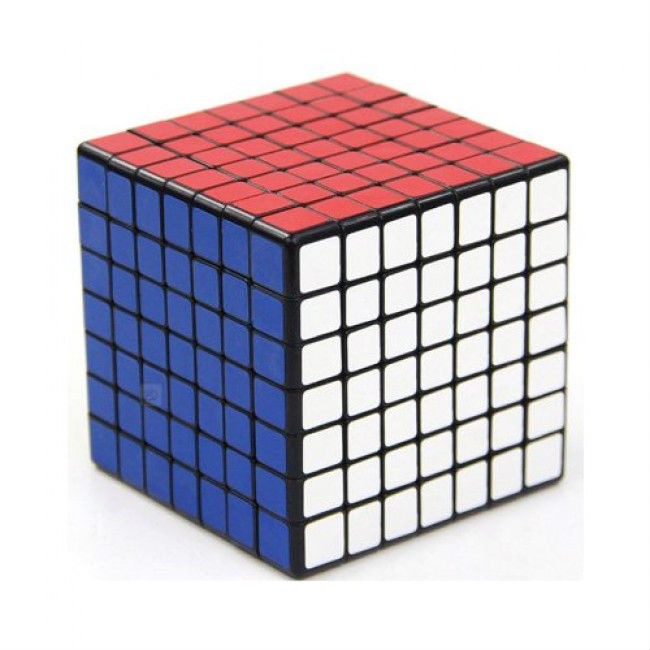
Think of a knowledge cube as visually similar to a Rubix Cube.  Each small cube is a function within a department, and the operations provided by the department equal a completed colored  side, or aggregate of a whole department.   When the cube is assembled, it will clearly define the functions for each of the departments and create paths for associates to have autonomous movement inside each other’s organization. These cubes are designed to foster self-determination and build their skills sets to become self-directed knowledge workers. The concept of object-oriented coding is analogous to how one uses knowledge cubes to develop an organization.  They serve to free up “brain space” by normalizing everyday processes to be more innovative.


The Art of Foundational Process - The Basis of the Knowledge Cube


A Technology organization must standardize the Art of Foundational Process. Whether making a sandwich, or negotiating a multi-billion dollar business deal, there is a process involved that must be documented for continuous improvement.


An assembly line is a classic example of a foundational process. Henry Ford’s system for building a vehicle is a step by step, repeatable process. As the vehicle moves along the line, another component is installed.  His foundational process laid the groundwork for the successful development of a multi-billion-dollar industry, promoting innovation and proper training of personnel.


This design promotes associate growth and organizational development.  It will create a path to master every aspect of IT, including software development, Operations, Security, QA, Process, and Desktop Services.  CEOs and COOs can apply this organizational behavior from the top down in all functional areas of business, such as Human Resources, PMO, Supply Chain, and Finance.  Utilizing this approach can structure your organization to achieve Malcolm Baldrige levels, renowned for the highest tier of performance excellence.  Foundational process lays the groundwork for creation of knowledge cubes that will standardize operational agility.


Organizational Evolution Through Knowledge Cubes


disassembled cube.jpg
Illustration 0 - Chaos in pieces
The organization has no form, and nothing but chaos exists.  You will have disparate teams that do not operate as one.  There is no sharing of knowledge, and everyone is stuck in their areas of expertise, causing single points of failure.  Morale is low, while frustration is high.  Team members are in a groundhog day state, and are looking for a better way.


rubix_unsolved.jpg
Illustration 1 - Organized Chaos
A leader assembles his team, and begins to take the chaos of dispersed  workflow and knowledge and structure it.  Teams start to get excited when they see the information, but may not understand how or why it’s coming together.  

Article Zero represents the least common denominator.  It establishes the foundation for your team to build effective knowledge cube articles.  Create your Article Zero, and it will serve as your template that any person on your team can use to execute.  An effective knowledge cube is accompanied with a flowchart on the exact way to execute the action.


department-AB.png

Illustration 2 - Introduction of KC Process (baby steps) - lowest hanging fruit
Each individual square represents an activity area a group provides to an organization. The visual representation of the process is designed with simple polygons that transcend technical language barriers.  Accompanying the flow chart is the writer’s step by step directions that lay out the article in its most basic form.  

Each square is self-policing.  Since each article is a repeatable process, when the steps cease to work, one can go back to revise the process.  This keeps each article relevant through continuous improvement.


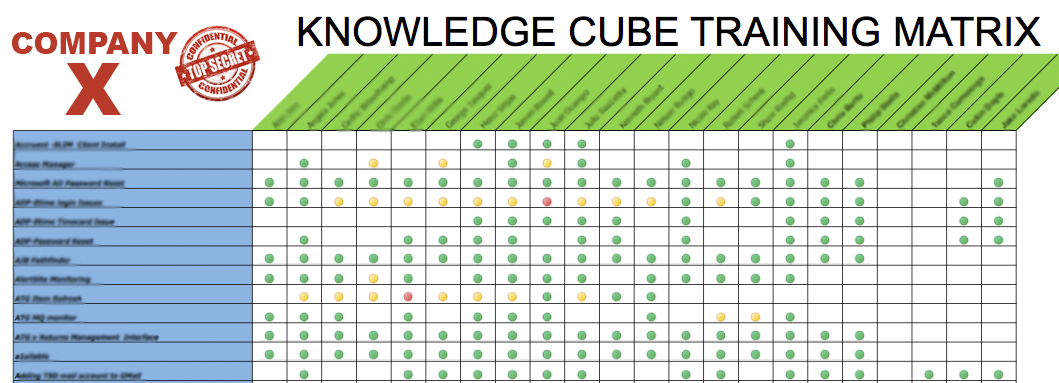
KCTRAININGMATRIX.png
Illustration 3 - Tracking & Metrics
Create and place a knowledge cube training matrix in public view for everyone to see.  This will create an air of friendly competition, empowerment, and autonomy.  The cubes actually became a vehicle to drive accountability and competition . It innately makes people elevate because their peers are doing it. Everyone will take on a “leave no man behind” mentality. These transfers of knowledge can lead to increased associate morale, and will benefit work-life balance.


Illustration 4 - Assemble the groupRubix_complete.jpg
An assembled cube for the group can represent a subset of a department.  For example, in a Supply-Chain organization, this assembled cube would can consist of squares from Logistics, Procurement, and Vendor Management.  The cube, or subsets of the cube can then be shared outside of the department to align on corporate-wide initiatives that require collaboration.  

Your knowledge cube program will never end, as the organization is constantly changing.  Executive leadership must drive a culture of continuous improvement, while the managers work to propel the program forward.


3-6-9-damned-good-time.png
Illustration 5 - Assemble the Organization
As the program propagates across the company, the cubes develop a form.  Teams begin to communicate and collaborate as knowledge is shared.  Single points of failure are eradicated from your environment.

Morale increases as team members become functional knowledge workers, and the organization evolves to an autonomous state.


CUBEASSEMLY.png
Illustration 6 - Goal State
Once Foundational Process is implemented in an department, the knowledge cubes can then be shared inside and outside of the organization.  Standardization of processes across the company will reap countless benefits.  


Alignment, Camaraderie, and Standardization of YOUR Operations


Documentation of all processes for the individual cubes is critical for standardizing an operation.  Once knowledge articles and processes are documented, an organization gains many benefits:


Department
  • It visually puts everyone on the same page as to how each process operates
  • Clearly defined roles and responsibilities for a given task
  • The learning curve is reduced for new associates entering the department
  • Efficiency is gained from the analysis and streamlining of existing procedures
  • It standardizes the process with which your operations run


A great example of this: say your business is experiencing large amounts of down time due to  a persistent system outage.  A leader would assemble the team to draw info graphics, as-is process maps and the group image of the future state while discussing key areas of concentration.  They should focus on a reiterative process that concentrates on people and execution, followed by a technical approach, and finally change control mechanisms.   Knowledge cubes would be created and modified for continuous improvement throughout the exercise. Over multiple iterations, one can observe up to 95% reduction in outages and defects, saving the company millions in downtime.  All this is achievable through the application of a knowledge cube program.


There is a significant social factor within this process that is a key to its success.  Writing up a knowledge cube for the sake of doing so simply isn’t enough.  Leaders must encourage cross-department communication as well. If a team member who works in Department A cross-trains with a knowledge cube from Department B, merely completing the cube to gain a small piece of knowledge defeats the overall purpose.  The team member must make time to interact with the subject matter expert (SME).  This builds camaraderie, opens additional channels of communication, and allows both the mentor and mentee to learn more about each other both professionally and personally.  These interactions are a small part of the whole that builds high-performing teams.


When properly implemented, knowledge cubes cross-train teams on industry best practices.  It can also teach the particulars of how those standards are applied and customized inside your organization. Knowledge cubes benefit internally in that team members can move between departments with the ability to hit the ground running. The inherent organizational agility offered by this process can save companies thousands of dollars in third party training costs, as all the training material is being developed in-house.  
.  


Implement the program - Knowledge Cubes In Action


Every successful integration requires key components that include executive sponsorship, proper communication, and change management.  Installing a knowledge cube program into your organization is no different.  Once the executive has communicated the 5 W’s (who, what, where, when, why) of the program and generated an air of excitement, the management team must rally their group to drive the program, and maintain its excitement and relevance.


Knowledge cubes are a push/pull.  At some point, a knowledge worker will be the Subject Matter Expert (SME) who contributes to the departmental and organizational cube (push), and at other times they, will be the ones acquiring the knowledge (pull).


Train the team on how to PUSH:


  1. Use the “Knowledge cube on how to create a knowledge cube” above to train your teams on how to build cubes.
  2. Create a standardized template for the documentation.  This will ensure that every document is created and looks/feels the same.  This will make the process repeatable.
  3. Implement a bounty program that rewards your top performers who create the most relevant articles
  4. Keep it simple!  If the process for creating the documentation, storing it, and accessing the articles is too difficult or cumbersome, your adoption rate will plummet.


Train the team on how to PULL:


  1. A person chooses an item on the cube training matrix. An associate may desire to expand their functional knowledge cube to master a specific subject matter. Or a leader may might want to grow someone to an area that might not have enough of a specific skillset.
  2. Contact the SME who created the article to establish initial contact for mentoring
  3. Execute and learn the article.  This is done by either observing the SME, or by the SME guiding the mentee through the process repeatedly.
  4. Take the associated quiz;  the passing grade is tracked in the cross training matrix.


Summing Up the Cube


In a world where companies are achieving more work with fewer employees, creating a culture of employees who can become multi-purpose or “Swiss army knives” will yield you positive results not only from a developmental psychology perspective, but from a performance perspective as well. When the process is used effectively, career progression occurs at a rapid pace, and the benefits reaped by the company are bountiful.


Some of the most gratifying moments in my personal career occur when witnessing the expedient growth and elevation of  numerous individuals who have mastered the cubes.  Seeing them now as Directors and Executives of Fortune 500 companies in a variety of industries speaks volumes to the process and the impact it can have on an individual.


You can dance while your knowledge is growing”
The WHO - Another Tricky Day
(Conversely to the Lyrics -- You CAN always get it when really want it)


In the 1600’s Philosopher Francis Bacon said “knowledge is power”. Today I say knowledge cubes are powerful!


Just for fun… Here’s a Knowledge Cube on How to Create a Knowledge Cube!


Knowledge-Cube-to-Create-Knowledge-Cubes.png